Overview
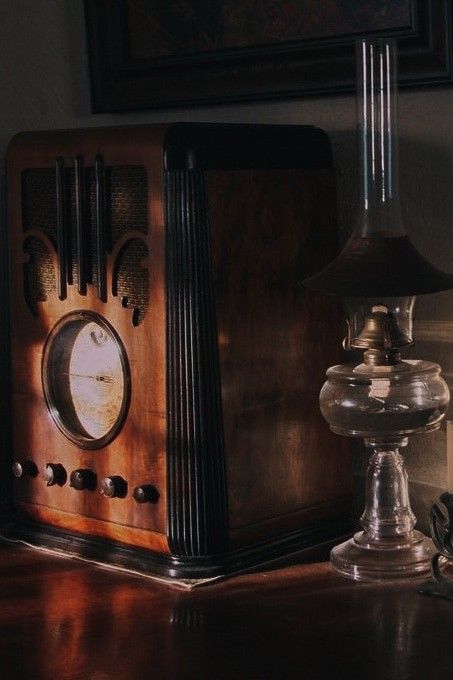
By 1940, British radio meant the BBC and nothing else - a complete monopoly funded by license fees with no commercial competition or advertisements. When war broke out, the BBC consolidated its regional stations into a single BBC Home Service for security reasons, then added the BBC Forces Programme shortly after, creating a two-channel system that split audiences along class and generational lines: the Home Service offered serious news, talks, drama, and formal "BBC English" programming throughout most of the day, while the Forces Programme provided lighter entertainment with comedy, variety shows, dance music, and a more relaxed tone that quickly attracted the majority of civilian listeners despite being intended for troops. Every household gathered around a large wooden wireless set - an expensive piece of furniture requiring either electricity or batteries - with the family stopping everything for sacred rituals like the evening news bulletin, the Prime Minister's speeches, and popular programs like ITMA, Children's Hour, and Music While You Work. The BBC operated under Reithian principles to inform, educate, and entertain, while wartime security eliminated weather forecasts, synchronized all transmitters, and required newsreaders to identify themselves by name to distinguish them from German propaganda broadcasts, creating a shared national experience where "I heard it on the BBC" became the gold standard for truth and millions of people planned their entire day around Radio Times listings, making catchphrases like "Can I do you now, sir?" and "TTFN" part of everyday conversation while the wireless became the voice of British resistance, unity, and morale during the darkest days of the war.
Table of contents seperates our radio show genres! Videos of examples are included for what could be found. Please note that War News specifics are for vibes ony due to where our lore diverges from real history.
BBC Home Service (1939-1967)
More serious programming: news, talks, drama, some comedy
- Broadcast 7:00 AM to 12:15 AM daily during wartime
- "Home Service listener" meant you were serious, educated, or older
- More formal, received pronunciation accents
- Carried most news, religious services, talks
- Educational content
- Some comedy like ITMA
BBC Forces Programme (January 7, 1940 - February 26, 1944)
Lighter entertainment for troops but became hugely popular with civilians
- Initially 11:00 AM to 11:00 PM, expanded June 16, 1940 to 6:30 AM to 11:00 PM
- "Forces Programme listener" meant you liked fun, modern entertainment
- By autumn 1940, 60% of civilians tuned to Forces Programme - it was more popular than Home Service
- Slight class/generational divide: young people and workers preferred Forces Programme; older, middle-class people claimed to prefer Home Service (though many secretly listened to Forces)
- "Listening to the Forces" meant you were with it
- Mix of drama, comedy, popular music, quiz shows, variety
- More relaxed and informal tone
- More American-style entertainment
- Replaced by BBC General Forces Programme in 1944, then BBC Light Programme in 1945
Comedy & Variety
ITMA (It's That Man Again)
Tommy Handley's comedy show featuring sketches, catchphrases, and recurring characters. THE biggest wartime morale booster - absolutely massive hit.
Cultural impact: ITMA catchphrases became part of everyday British speech:
- "Can I do you now, sir?" - Mrs. Mopp the charlady's greeting (most famous catchphrase of the war)
- "It's being so cheerful as keeps me going" - Mona Lott's depressing refrain
- "I don't mind if I do" - Colonel Chinstrap when offered a drink
- "This is Funf speaking" - German spy character
- "TTFN" (Ta-ta for now) - Mrs. Mopp's sign-off, still used today
- "I go—I come back" - Ali Oop
- People would quote these in pubs, at work, in queues. If you heard someone say "Can I do you now, sir?" in 1940, everyone around would laugh. Made you sound funny and current to drop ITMA catchphrases into conversation. Tommy Handley's voice was instantly recognizable.
Monday Night at Eight (also called Eight O'Clock)
Variety entertainment program with comedy sketches, musical acts, light entertainment, and detective plays.
Cultural impact:
- Opening theme song everyone knew: "It's Monday Night at eight o'clock, oh, can't you hear the chimes? They're telling you to take an easy chair, so settle by the fireside, pick up your Radio Times, for Monday Night at Eight is on the air."
- Featured "Old Ebenezer" (Richard Goolden) - night watchman who told fantastic stories then exclaimed "Well I'll be jiggered!" - people would imitate this
- "The Dooms" - witch family sketch where Mrs. Drusilla Doom (Hermione Gingold) would ask in sepulchral voice: "Tea, Edmond?" (pause) "Milluck?" - became a running joke
- "Chestnut Corner" - Arthur Askey and Richard Murdoch's segment
- "Puzzle Corner" with weekly "Deliberate Mistake" - families would compete to spot it first
- "Inspector Hornleigh Investigates" (1937-1940) - detective serial where listeners matched wits against Scotland Yard inspector. Each week a witness made a slip. At the climax, a voice called "Stop!" when the clue appeared. Made armchair detectives of the nation
- "Ronnie Waldman's Quiz Time" - "Hello puzzlers!"
- Monday mornings at work: "Did you spot the Deliberate Mistake?" or "Did you get Hornleigh's clue?"
Hi Gang!
Variety show starring American film stars Bebe Daniels and Ben Lyon with Vic Oliver. Light entertainment and comedy.
Cultural impact:
- Started the exact same day as an evacuation - perfect timing for morale boost
- Made American slang and humor fashionable. People would try to sound like the glamorous Americans
- Bebe and Ben were household names - "Did you hear Hi Gang last night?" was common Monday conversation
- Featured Jay Wilbur and his Orchestra
- Made fun of Hitler and Lord Haw-Haw
- Bebe introduced a new song every week - people would hum them
- Guest stars included Jack Buchanan, Noël Coward, John Gielgud, Stanley Holloway
- American accents made them exotic and exciting
In Town Tonight
(1933-1960) Interview and variety show featuring personalities and entertainers on Saturday nights.
Cultural impact:
- Dramatic opening with sounds of London traffic that suddenly stopped
- Announcer: "Once more—we stop the mighty roar of London's traffic" - people loved to imitate this theatrical phrase
- Made you sound cosmopolitan to reference who'd been "In Town" that week
- Saturday evening institution - families gathered round
- Interviewing celebrities and interesting people made ordinary Britons feel connected to famous world
- Announcing "I heard on In Town Tonight that..." gave you social currency
Music Programs
Music While You Work
Live music broadcasts aimed at factory workers to boost productivity - light orchestral and dance music.
Cultural impact:
- Workers would hum or whistle the tunes all day
- Factory workers would say "Time for Music While You Work" when their shift started
- Became synonymous with wartime factory life and the home front effort
- Twice daily - mornings on Home Service, afternoons on Forces Programme
- Made factory work feel patriotic and important
- Specific tunes became associated with specific factories
- If you mentioned Music While You Work, everyone knew you were a war worker
Sunday Half Hour
Religious music program featuring hymns and sacred music on Sunday evenings.
Cultural impact:
- Family gathering around the wireless on Sunday evenings became ritual
- Hymns like "Abide With Me" became deeply associated with wartime solidarity and faith
- Even non-churchgoers listened - made you part of national family
- Comforting in uncertain times
- Singing along was acceptable and encouraged
- Made Christian hymn references common currency in Monday conversation
Radio Rhythm Club
Jazz and rhythm music presented by Charles Chilton, with associated jam sessions.
Cultural impact:
- Made jazz respectable and popular beyond just young people
- Young people would discuss the latest "hot" numbers
- Created whole vocabulary around jazz appreciation - "swinging", "cool cats", "hep"
- If you could talk knowledgeably about Radio Rhythm Club, you seemed modern and hip
- Parents disapproved initially, which made it more appealing to youth
Sandy MacPherson organ recitals
Theatre organist who filled large gaps in early wartime schedules with hours of light organ music.
Cultural impact:
- "Sandy's at the organ again" became household phrase for the early phoney war days when programming was sparse
- Comforting background sound during anxious times
- His organ could play for 2-3 hours straight - impressive
- Became slightly mocked but also nostalgically remembered
- Symbol of BBC scrambling to fill airtime in early days of war
Classical orchestral concerts
BBC Symphony Orchestra, chamber music, gramophone records of classical repertoire.
Cultural impact:
- Classical music appreciation became patriotic - showing British culture continued despite the war
- Promenaders (people who stood in cheap section) became symbol of British resilience
- Discussing Beethoven or Elgar made you seem cultured and defiant
- "Keeping culture alive" was phrase used
Dance music broadcasts
Live dance bands and recorded dance music throughout the day.
Cultural impact:
- People would dance in their sitting rooms
- Catchphrase: "It's dance band time!"
- Popular bandleaders became celebrities - Jack Payne, Geraldo
- Knowing who was conducting which orchestra made you seem in-the-know
- Young couples would dance together at home - romantic and cheap entertainment
- Specific bands had followings - arguments about which was best
Drama & Serials
Various radio plays and adaptations
Single dramas, detective serials, mystery plays, adaptations of novels and classics broadcast throughout the week.
Cultural impact:
- Created shared cultural references across Britain
- People would discuss plots at work Monday morning
- Made you seem cultured to reference "last night's play"
- Detective serials created catchphrases and recurring characters people loved to quote
- Families would plan evenings around favorite serials
- No television meant radio drama was incredibly vivid - "theatre of the mind"
- People would say "It's better on the wireless - you can imagine it"
Children's Programs
Children's Hour
5-6 PM weekdays, 1922-1964; Stories, plays, serials, educational content, music. Included dramatizations, fairy tales, adventure stories, educational features.
Cultural impact:
- "Goodnight children... everywhere" - Derek McCulloch ("Uncle Mac")'s sign-off, especially poignant for evacuated children separated from families
- Princess Elizabeth's broadcast (October 13, 1940) - 14-year-old Princess speaking to evacuated children: "We know, every one of us, that in the end all will be well" - incredibly moving moment that people referenced for years. Nearly 18 million listeners
- Parents would shush children at 5 PM: "It's Children's Hour!"
- Made families feel connected across country, especially evacuees separated from parents
- Recurring serials and characters children would talk about at school next day
- Toytown characters - beloved series with recurring cast
- Adventure serials - cliffhangers had children on edge
- Educational segments made learning fun
- Being allowed to stay up for Children's Hour was privilege
- "Uncle Mac" (Derek McCulloch) was voice of kindness - children would write him letters
- Children's Hour Prayers added during wartime
- Scottish version had "Auntie Kathleen" (Kathleen Garscadden)
- Created lifelong memories - adults decades later could still sing the theme tunes
- Specific serials included dramatizations of classic books, Nature Parliament, competitions
- Theme music included classical pieces that introduced different segments
Wartime Specific Programs
The Kitchen Front
Started 1940; Daily cooking advice and recipes for coping with rationing. Practical wartime tips.
Cultural impact:
- Housewives would discuss "Did you hear The Kitchen Front this morning?" over garden fences
- Recipes and tips became common conversation: "The Kitchen Front said you can make eggless sponge with..."
- Made rationing feel like shared adventure rather than deprivation
- "Food facts" and "kitchen front tips" entered everyday vocabulary
- Women would swap Kitchen Front recipes like currency
- Made housewives feel they were fighting the war too
- Tips like "carrot as sweetener" or "woolton pie" became household knowledge
- Five-minute broadcast but huge impact
- Saying "it's very Kitchen Front" meant something was thrifty and clever
J.B. Priestley's Postscripts
started June 5, 1940 - after 9 PM news on Sundays; Sunday evening talks/commentaries following 9 PM news - thoughtful reflections on war and British life.
Cultural impact:
- People would quote Priestley at work on Monday: "As Priestley said..."
- His Yorkshire accent and working-class perspective made him voice of common people (contrasted with BBC posh accents)
- Controversial - some found him too political/left-wing, so discussing Priestley could start arguments
- Made you sound thoughtful and engaged to reference "last night's Postscript"
- Speeches were moving and emotional - some people cried
- Conservatives disliked him; working class loved him
- Eventually taken off air because too political - caused outcry
- His phrase about "the public dream" and vision of post-war Britain inspired people
ARP (Air Raid Precautions) broadcasts
Instructions and information about air raid safety and civil defense.
Cultural impact:
- Phrases like "Put that light out!" became part of culture (though from ARP wardens, popularized by broadcasts)
- "Is your gas mask handy?" type reminders
- "Take cover immediately"
- Made people feel prepared and in control during frightening times
- Children would play ARP wardens
- Instructions on "blackout" procedures
- Announcements about air raid warnings became routine
Ministry of Information broadcasts
Government information and propaganda programs.
Cultural impact:
- Official pompous tone people would mock or imitate
- "Careless talk costs lives" type slogans
- Some distrust - "That's just the Ministry talking" meant propaganda/lies
- "Keep calm and carry on" mentality (though famous poster not widely seen until modern times)
- Made Britons suspicious of official pronouncements while also following them
Talks & Discussions
Religious services
Sunday church services and religious programming.
Cultural impact:
- Even non-churchgoers listened during wartime
- Made Christian language and hymn references common currency
- Sundays felt special and different
- Helped maintain sense of normalcy and tradition
- Church bells silenced during war (would ring to signal invasion) so radio services more important
The Daily Service
Short religious service broadcast daily (around 10:15 AM).
Cultural impact:
- Many people marked their day by it - "Time for the Daily Service" became phrase
- Opening music became instantly recognizable - first few notes and people knew
- Elderly people especially relied on it
- Made housework feel more purposeful
- Five minutes of peace in day
Educational talks and features
Various informational and educational programs on different topics.
Cultural impact:
- Made self-improvement possible during wartime
- People would mention "I heard on the wireless that..." to share new knowledge
- Kept minds active during difficult times
- Covered history, science, current affairs
- Made BBC seem like wise teacher
The Brains Trust
Started December 30, 1940 as "Any Questions?"; Panel discussion where experts answered listeners' questions.
Cultural impact:
- Listeners sent in questions on any topic
- Made ordinary people feel their questions mattered
- Panel discussions became model for intellectual discourse
- People would quote "As they said on The Brains Trust..."
- Made difficult ideas accessible
- Debates at work about Brains Trust answers
Governemnt, News & Current Affairs
News bulletins
Daily at 7:00 AM, 8:00 AM, 1:00 PM, 6:00 PM, 9:00 PM, and midnight.
Cultural impact:
- "This is the BBC Home Service. Here is the news" - the most trusted phrase in Britain
- The nine o'clock news was sacred - entire families would gather in silence, everything stopped
- News readers like Bruce Belfrage, Frank Phillips, Alvar Lidell became household names - their voices meant safety and truth
- "I heard it on the BBC" meant it was absolutely true - gold standard for facts
- Bruce Belfrage continued reading through explosions of a bombing - became legend people retold. Listeners heard dull thud
- Newsreaders started giving their names "This is Frank Phillips reading the news" so listeners could distinguish them from German propaganda (William Joyce/"Lord Haw-Haw")
- "Did you hear the one o'clock news?" was common greeting
- Listening to news was patriotic duty
- Silence during news was absolute - children learned not to interrupt
- "According to the nine o'clock news..." gave authority to any statement
- People would time their day around news bulletins
- Bad news delivered in calm BBC voice somehow bearable
- Men would nod gravely and say "Well, we heard it on the wireless"